AI is transforming supplier monitoring by simplifying complex supply chains, automating manual tasks, and providing real-time insights. For businesses managing global suppliers, it reduces disruptions, improves compliance, and enhances decision-making.
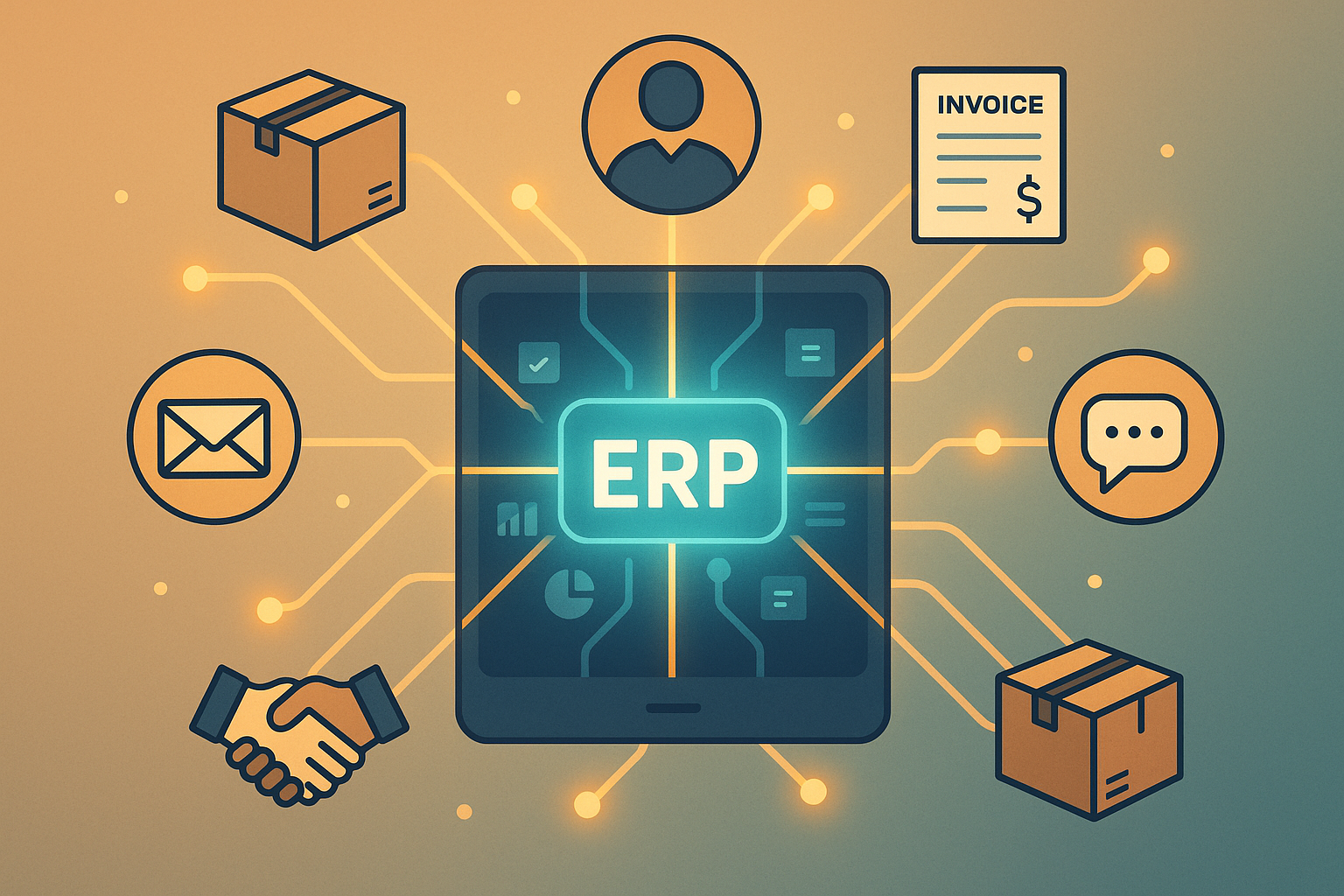
Real-time data integration: AI consolidates data from ERP systems, supplier communications, and logistics trackers for a unified view.
Automation: Routine tasks like order updates and compliance checks are automated, saving time and reducing errors.
Predictive analytics: AI anticipates risks like delivery delays or quality issues, enabling early intervention.
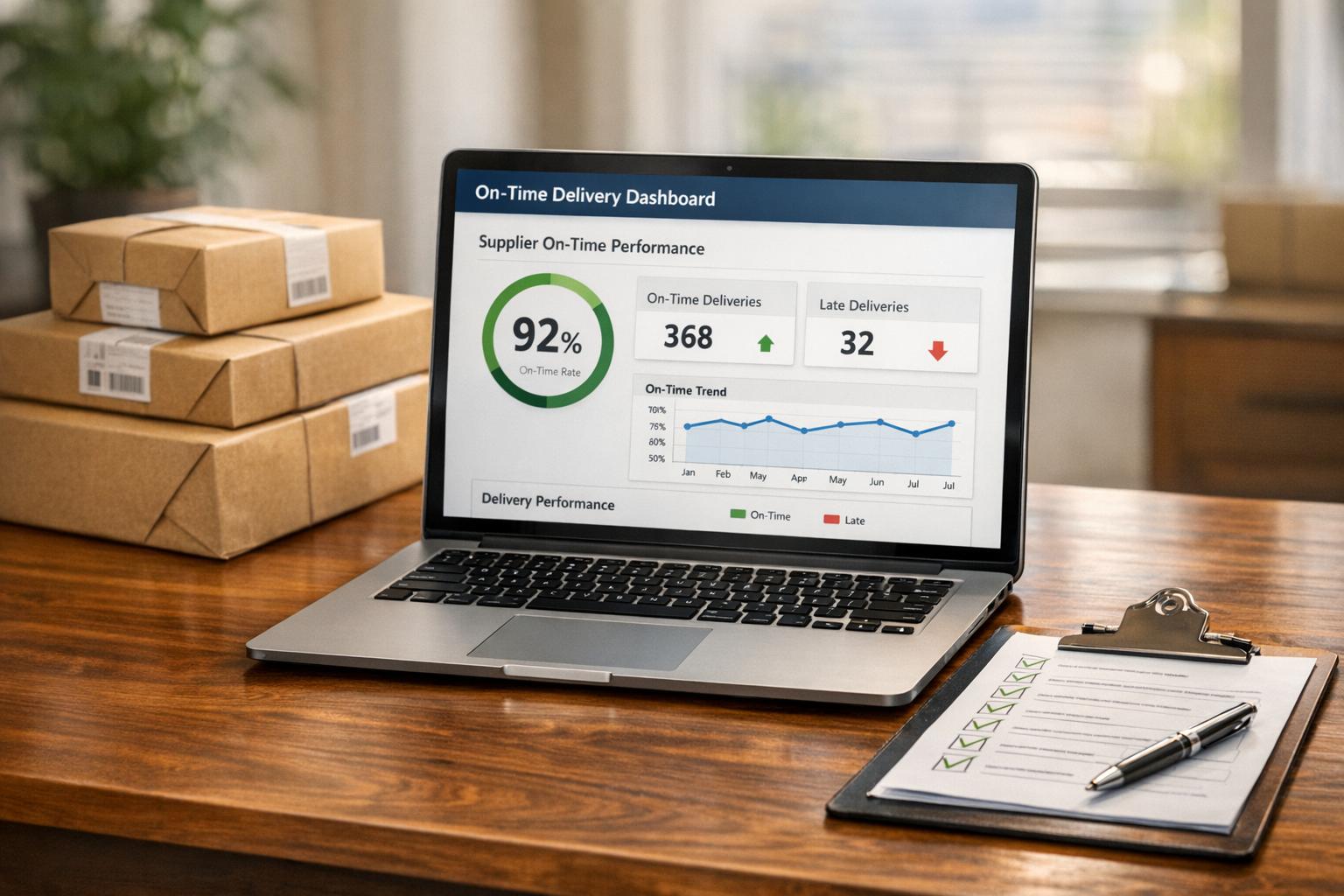
Custom dashboards: Tailored dashboards highlight supplier performance metrics and compliance alerts for better visibility.
By addressing inefficiencies in manual processes, AI enables faster responses to supply chain challenges and strengthens supplier relationships. Tools like Leverage AI demonstrate how integrating AI with existing systems can streamline operations and reduce labor costs by up to 70%.
AI-powered monitoring is essential for navigating today’s complex supply chains, helping businesses stay efficient and competitive.
AI in Procurement Process | Artificial Intelligence in Procurement | AI Procurement Software & Tools
Key Components of AI-Powered Supplier Monitoring Systems
AI-powered supplier monitoring systems are built on three essential pillars that bring together data, generate insights, and deliver actionable outcomes. Unlike traditional manual processes, these systems offer a streamlined, automated approach that provides ongoing visibility and practical insights.
Real-Time Data Integration and Automation
At the core of any effective AI monitoring system is its ability to connect and unify real-time data from multiple sources. Today’s supply chains generate enormous amounts of information across various platforms, and AI systems excel at consolidating this scattered data into a single, cohesive view.
These platforms pull in data from ERP systems, supplier portals, IoT devices, logistics trackers, quality records, financial reports, and even public databases. This integration removes the data silos that often hinder traditional monitoring methods.
Automation plays a key role here, taking over tasks that procurement teams previously handled manually. Machine learning automates vendor data collection and validation, allowing AI systems to manage routine tasks like purchase order confirmations and delivery updates. This means procurement teams can focus on higher-value activities rather than spending hours on repetitive follow-ups.
For example, Leverage AI integrates directly with existing ERP systems to maintain a unified source of truth for supply chain data. The platform automates supplier communications, such as lead-time updates and shipment notifications, freeing up teams to concentrate on strategic goals.
Real-time monitoring replaces outdated periodic reviews, enabling organizations to identify risks or compliance issues as they happen rather than waiting for scheduled assessments. This shift from reactive to proactive monitoring ensures that problems are addressed before they escalate into costly disruptions.
These automated, integrated data flows set the foundation for advanced analytics.
AI Analytics and Data Insights
Once data is unified, AI analytics take over to deliver meaningful insights and enable proactive risk management. These systems transform raw data into actionable intelligence, quickly identifying patterns and anomalies.
AI identifies trends and irregularities - whether in delivery schedules, quality metrics, or financial health - allowing businesses to address risks before they escalate. For instance, by analyzing supplier financial reports, AI can flag potential financial instability before it impacts operations.
AI systems also provide continuous performance evaluations. Suppliers can be scored daily or even hourly based on delivery reliability, quality standards, sustainability compliance, and responsiveness. This real-time scoring allows procurement teams to make informed decisions when issues arise.
The predictive capabilities of AI are another game-changer. By analyzing historical data, current trends, and external factors, AI can anticipate risks such as non-compliance, operational challenges, or sustainability gaps weeks or months in advance. This foresight helps organizations avoid disruptions by identifying high-risk suppliers early.
Additionally, natural language processing (NLP) tools streamline contract management by extracting specific terms, deadlines, and obligations. This reduces the time spent on manual reviews and ensures compliance with supplier agreements, which is especially helpful for companies managing hundreds of contracts.
Custom Dashboards and Reports
The final piece of the puzzle is how AI insights are presented. Customizable dashboards act as a bridge between complex analytics and actionable decision-making, catering to the needs of procurement teams, executives, and other stakeholders.
AI tools continuously monitor key performance indicators (KPIs), using analytics to uncover patterns and trends that highlight supplier strengths and areas for improvement. These dashboards are tailored to different roles within the organization, ensuring that each user sees the metrics most relevant to their responsibilities.
For manufacturers and distributors, dashboards often display supplier scorecards, delivery performance metrics, quality indicators, and compliance statuses. Automated data collection and analysis enable this continuous monitoring.
Beyond presenting data, the reporting features include automated alerts for compliance violations, ensuring immediate action can be taken to prevent further issues. These real-time notifications guarantee that critical problems are addressed promptly, no matter when they occur.
Leverage AI’s dashboard design emphasizes clear and immediate visibility into supply chain operations. The platform’s flexibility allows organizations to customize dashboards to meet their specific needs, ensuring users always have access to the most critical information.
These components work together to create a dynamic monitoring system designed for the complexities of today’s supply chains. This marks a shift from static, periodic assessments to real-time, adaptive monitoring that keeps pace with ever-changing supply chain demands.
Improving Supplier Performance Tracking with AI
AI is transforming supplier performance tracking from occasional reviews into a process of continuous, data-driven monitoring. This shift improves quality, reduces risks, and strengthens supplier relationships. Beyond just generating scorecards, AI predicts risks and promotes ongoing supplier development.
Automatic Supplier Scorecards
AI-powered tools create supplier scorecards by analyzing performance data in real time. These systems evaluate key metrics like delivery reliability, product quality, compliance with sustainability standards, and responsiveness in communication. By pulling data directly from ERP systems, quality databases, delivery tracking tools, and other sources, businesses can automate reporting and keep scorecards consistently up to date.
The advantages of AI-driven scoring are clear: lower procurement costs, improved supply chain reliability through predictive insights, automated risk detection, and dynamic metrics that enable quicker decision-making. For instance, Leverage AI ensures critical data updates are automated, maintaining a single, accurate source of truth.
With real-time updates, procurement teams always have access to current supplier performance data, empowering them to make proactive and well-informed decisions.
Predictive Analytics for Risk Prevention
AI goes beyond real-time tracking by using predictive analytics to identify potential risks. By analyzing both historical and current data, AI can forecast problems such as delivery delays or quality issues, allowing businesses to act before these challenges escalate . This approach takes into account various factors, including seasonal trends, supplier capacity, financial stability, and external disruptions, offering precise risk assessments that help mitigate supply chain crises.
Ongoing Improvement Through Data Feedback
AI also plays a key role in driving continuous improvement. Machine learning compares supplier data with compliance records to identify red flags in real time. Throughout a supplier’s lifecycle, AI tracks responses to performance feedback and adjusts its recommendations to focus on what leads to measurable improvements.
This feedback loop doesn’t just benefit individual supplier relationships - it enhances overall supply chain visibility and boosts customer satisfaction. As Erin Purvis from Blu Dot’s supply chain team shared:
"We're now able to keep our customers happier because we can finally now answer their questions about where their stuff is." – Erin Purvis, Supply Chain, Blu Dot
sbb-itb-b077dd9
Building Industry-Specific AI Monitoring Systems
Every industry comes with its own set of rules, risks, and expectations, making a one-size-fits-all approach to supplier monitoring ineffective. With AI reshaping supplier oversight, tailoring models and KPIs to specific industries is key to better decision-making and risk management. For example, a pharmaceutical company concerned with FDA compliance has vastly different priorities than an automotive manufacturer focused on just-in-time delivery. Generic AI systems might miss critical signals or flag irrelevant issues, potentially leading to costly oversights. This is why fine-tuning KPIs and AI configurations for each industry is essential.
Setting Industry-Specific KPIs
The first step in creating an effective monitoring system is identifying KPIs that align with the key challenges and regulations of your industry. Different sectors have distinct priorities:
Manufacturing: On-time delivery rates, defect rates, and production cycle times.
Healthcare: Regulatory compliance, product traceability, and quality control.
Retail: Lead times and inventory turnover.
Food and Beverage: Temperature control and shelf life compliance.
Start by examining the regulatory requirements and operational benchmarks that define your industry. For example, financial services often focus on anti-money laundering (AML) and know-your-customer (KYC) compliance, while automotive suppliers prioritize production schedules and just-in-time manufacturing quality. In the pharmaceutical sector, Good Manufacturing Practices (GMP) compliance and tracking regulatory changes are critical. Regularly revisiting and updating these KPIs ensures they stay relevant as regulations and market dynamics shift.
Adapting AI Models for Industry Needs
Once KPIs are set, adapting AI models ensures that the system captures the nuances of your industry. AI becomes powerful when it’s trained on data specific to your sector and tuned to detect patterns that matter most. This involves incorporating specialized databases, regulatory watchlists, and compliance frameworks.
In healthcare, for instance, AI systems might monitor vendor risk profiles to ensure adherence to HIPAA and FDA guidelines, automating up to 80% of data collection and validation to minimize human error and improve accuracy. In manufacturing, AI could analyze production logs, defect reports, and delivery schedules to predict disruptions. Meanwhile, financial institutions might use AI to integrate AML databases and regulatory monitoring systems for tracking compliance.
Customization is key. For example, a pharmaceutical company might need immediate alerts for any supplier compliance issues, whereas a retailer might prioritize inventory forecasts to manage seasonal demand. Machine learning algorithms can also classify suppliers using industry-specific attributes like product type, location, or compliance history, enabling more focused monitoring strategies. Collaborating with industry experts ensures AI systems are configured correctly and updated regularly with fresh data, keeping the insights accurate as industries evolve.
Platforms like Leverage AI allow businesses to configure dashboards, define alert thresholds, and integrate real-time data feeds, addressing the unique challenges of each sector effectively.
How to Implement and Scale AI-Driven Supplier Monitoring
Rolling out AI-powered supplier monitoring starts with assessing your current processes, integrating the technology with your existing ERP system, and training your team to use it effectively. These steps ensure you maximize your investment while building a scalable system for the future.
Reviewing Current Processes and Identifying Gaps
Before diving into AI implementation, take a step back to evaluate your current supplier monitoring framework. Where does it fall short? Common challenges include manual data collection, reactive risk management, and limited scalability as supplier networks grow.
Start by mapping out your procurement activities. Look for repetitive tasks - like chasing purchase order acknowledgments or updating lead times - that AI can handle efficiently. These are prime areas for automation. For instance, Systems Control reported a 50% reduction in buyers' workload after adopting AI solutions.
Another key area to examine is visibility. Traditional supplier monitoring often relies on periodic reviews and manual data analysis, leaving gaps that can lead to costly disruptions. AI can transform this approach by enabling proactive, continuous monitoring, helping you catch issues before they escalate.
Finally, review your compliance processes, especially if you operate in a regulated industry. Manual compliance checks are not only time-consuming but also prone to errors. AI can cross-reference supplier data with compliance databases in real time, flagging potential issues and allowing for quick corrective action.
Integrating AI with ERP Systems
Once you've pinpointed the gaps, the next step is to connect your AI solution to your ERP system. This integration ensures all supply chain data remains centralized while leveraging AI for intelligent automation.
Choose AI platforms that come with pre-built integrations for popular ERP systems. This eliminates the need for complicated custom development and speeds up the implementation process.
The integration should allow for real-time, two-way data synchronization. Your AI system needs to pull up-to-date supplier and purchase order data from the ERP while also feeding it with new insights, alerts, and automated updates. This seamless flow keeps everyone on the same page without requiring users to toggle between multiple platforms.
Some AI tools even automate the entire supplier engagement process directly through your ERP. Features like smart purchase orders sent via email, AI-powered document parsing, and automated supplier scorecards can streamline workflows and enhance visibility without disrupting existing processes. For example, Leverage AI demonstrates how a well-integrated system can maintain data consistency while offering real-time supply chain insights.
Training Teams and Building Feedback Systems
The success of any AI-driven initiative depends on how well your team adapts to the new tools. Transitioning from manual processes to AI automation requires both technical know-how and process adjustments.
Start by training your team on practical AI applications. Procurement and supply chain staff need to understand how to interpret AI-generated insights, act on automated alerts, and adapt monitoring parameters to meet evolving business needs.
Establish clear feedback loops to gather input from your team and suppliers. These insights are invaluable for fine-tuning algorithms, adjusting alert thresholds, and improving overall system performance.
To measure success, track key metrics like time savings, supplier response rates, issue resolution times, and overall visibility improvements. Companies like Blu Dot have seen measurable benefits, including enhanced customer satisfaction.
"Leverage saves each of our buyers at least 50% of their time every week, and we were able to reduce our planned headcount."
Steve Andrews, Director, Systems Control
Conclusion: The Future of AI in Supplier Monitoring
AI is transforming supplier monitoring, moving it from manual, reactive processes to proactive systems designed to prevent disruptions before they occur. It brings three key benefits that are critical for staying competitive in supply chain management: automating routine tasks, providing real-time visibility into supplier performance, and delivering predictive insights to identify risks early.
The automation possibilities are impressive. AI can analyze delivery data, quality metrics, and compliance records to autonomously score suppliers on a daily - or even hourly - basis. This level of detail is simply unattainable through manual methods. With these routine tasks handled by AI, procurement teams can redirect their focus toward larger strategic goals, such as driving innovation or advancing sustainability efforts. Automation also lays the groundwork for real-time insights.
Real-time insights are a game-changer. By leveraging machine learning, AI can instantly cross-check supplier data against compliance databases, flagging potential issues as they arise. This is especially critical in highly regulated industries, where addressing compliance gaps quickly can prevent costly penalties or operational setbacks.
Beyond real-time monitoring, AI's predictive analytics take things a step further. By identifying early warning signs - like delivery delays, quality problems, or even financial instability - AI helps companies maintain a stable supply chain. Organizations using AI for supplier monitoring report fewer disruptions, thanks to the technology's ability to detect risks early and trigger automated preventive measures.
AI also introduces a new level of objectivity in supplier evaluations. By relying on data-driven scoring, companies can minimize the inconsistencies and biases that often accompany manual assessments. This approach not only improves strategic sourcing decisions but also strengthens risk management practices.
As supply chains grow increasingly complex, AI-powered monitoring is quickly becoming the gold standard for organizations aiming to stay ahead. The technology doesn’t just enhance efficiency and mitigate risks - it also frees up procurement teams to concentrate on innovation, sustainability, and long-term growth. For manufacturers and distributors, adopting AI-driven supplier monitoring isn’t just an option - it’s a strategic necessity. Platforms like Leverage AI demonstrate how integrating advanced tools with ERP systems can create a resilient and agile supply chain. In today’s ever-changing supply landscape, AI not only meets current demands but also lays the foundation for a more resilient future.
FAQs
How does AI help improve compliance and reduce risks in supplier monitoring?
AI brings a new level of efficiency to supplier monitoring by delivering real-time updates on supplier performance and activities. With this capability, businesses can swiftly spot risks like delays, quality concerns, or non-compliance with regulations and act promptly to mitigate them.
By automating tasks such as supplier follow-ups and performance tracking, AI tools simplify compliance workflows and minimize the chances of human error. This helps maintain consistent regulatory adherence while boosting transparency and efficiency across the entire supply chain.
How does integrating AI with ERP systems improve supplier monitoring?
Integrating AI with ERP systems simplifies supplier monitoring by automating repetitive tasks, such as follow-ups, and improving communication with suppliers. It also provides real-time insights into supplier performance, enabling businesses to tackle potential delays before they escalate and ensure operations run smoothly.
This integration not only reduces manual work but also supports smarter decision-making, boosts efficiency, and strengthens supplier relationships.
How can businesses tailor AI-powered monitoring systems to address their specific industry challenges?
Businesses can fine-tune AI-powered monitoring systems to fit their specific needs by integrating them with the tools they already use and addressing the unique demands of their industry. Take manufacturers, for instance - they can deploy AI to automate follow-ups with suppliers and keep tabs on performance metrics. Meanwhile, distributors might focus on using AI for real-time supply chain tracking, helping them manage inventory more efficiently and avoid delays.
To make these systems work seamlessly, companies should pinpoint their biggest challenges, like delivery setbacks, compliance hurdles, or unpredictable demand. Then, they can configure AI tools to tackle those issues head-on. Features such as ERP integration, real-time data analysis, and automated workflows can align the system with a company’s operations, leading to measurable results and smoother processes.
Elizabeth Anderson is the VP of Sales at Leverage AI, where she leads go-to-market strategy and enterprise growth in the industrial supply chain sector. With over 15 years of experience at high-growth SaaS companies like Braze, Sprinklr, and Yext, she’s built and scaled sales orgs that consistently outperform. A former Division I rower at Boston College, Elizabeth brings a competitive yet collaborative approach to sales leadership—and is passionate about mentoring the next generation of women in tech.


.png?width=50&height=50&name=elizabeth-anderson-square%20(1).png)